MESH → DISTANCE FIELD → PROMPT → MESH
Edit any mesh
with a sentence.
SDFSpace turns a triangle mesh into an editable distance field, lets a coding agent reshape it by writing GLSL, and returns a textured, game-ready mesh. Open source, one GPU.
prompt “make the dragon scarier”
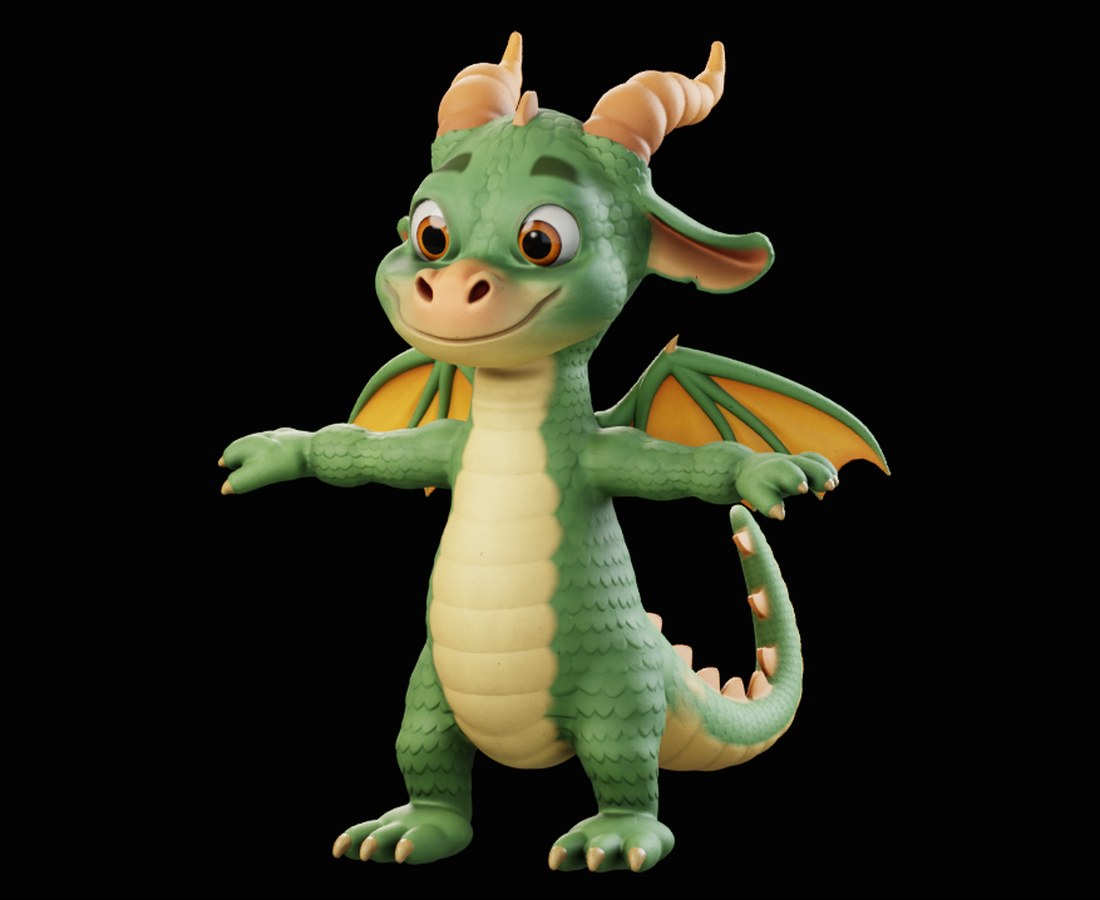
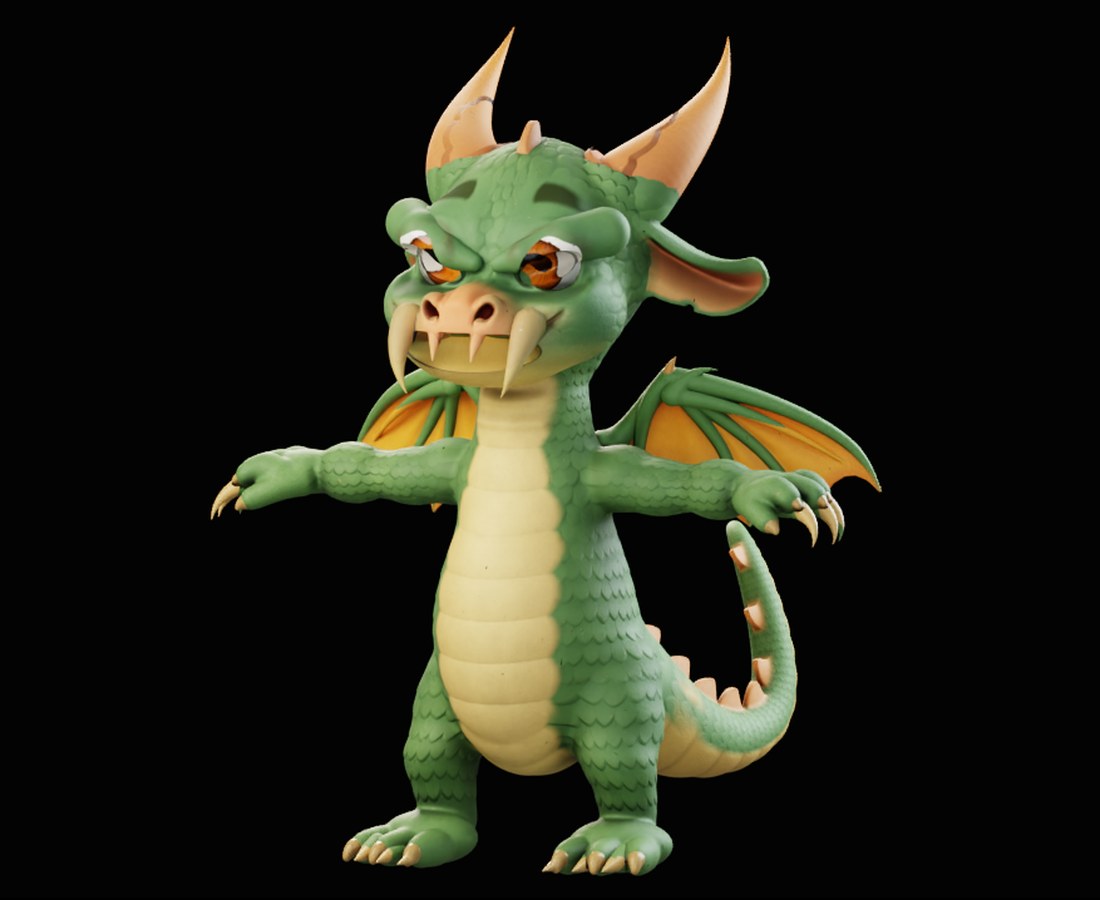 sourceedited
Mesh to field
A sparse 8³-brick distance field, built in seconds to about a minute, evaluated directly by GLSL.
Prompt to code
GPT writes a few lines of GLSL, renders annotated previews, looks, and revises. Claude reviews independently.
Field to mesh
GPU extraction, parallel UV atlas, and source textures projected onto the new surface.
01 / EDITS
Real requests, real meshes.
Every result below came out of the edit loop described in the paper. Pick one, orbit it, and flip between the original and the edit.
Show the edit the agent wrote
02 / THE LOOP
Look, critique, revise.
The editing agent sees what it builds. It renders before/after views on a coordinate grid, probes the field, ray-casts to place features on the surface, and keeps iterating. A second model reviews the result blind and sends back what is wrong; the best round wins.
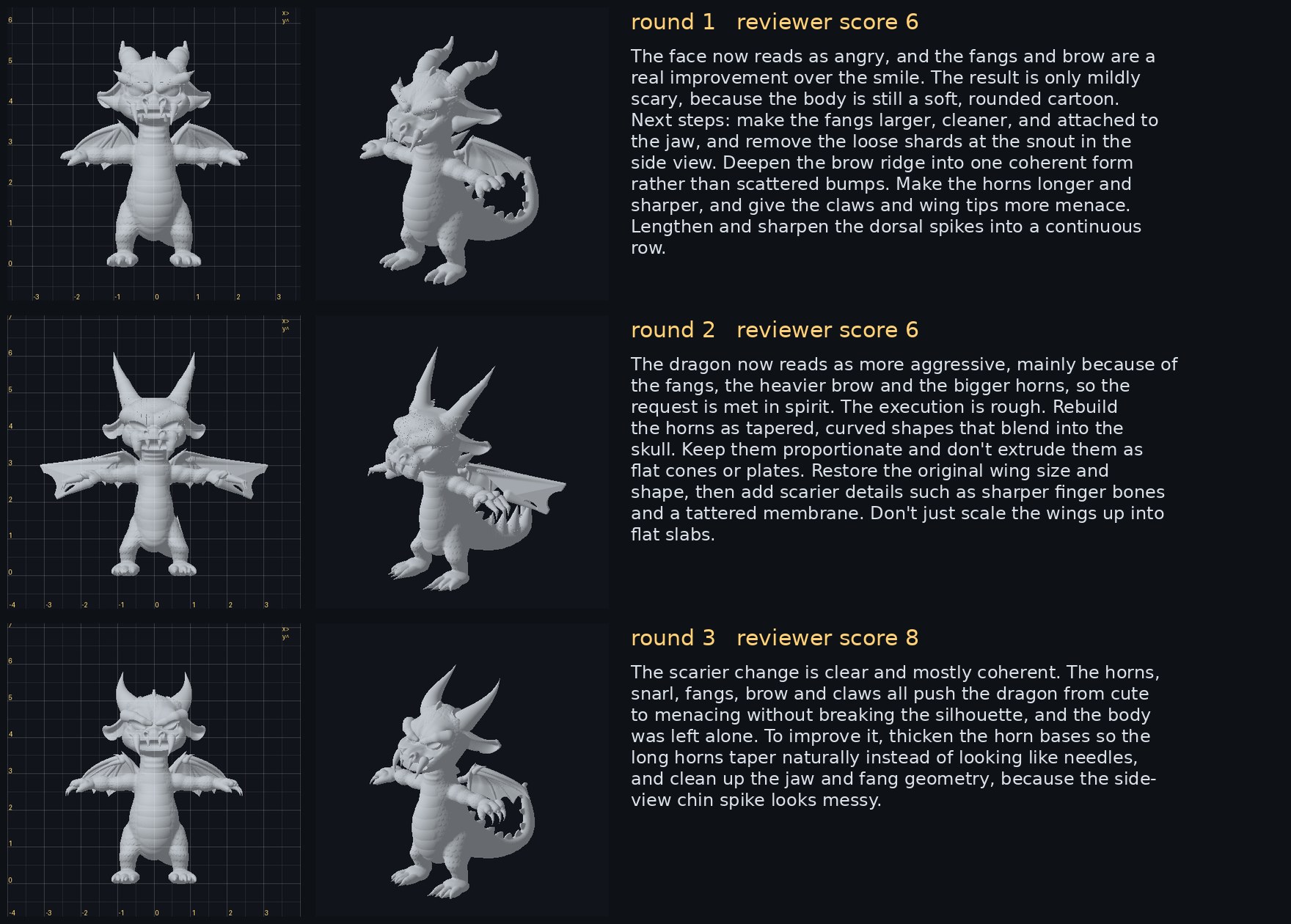
With the loop
One blind pass
Reviewer scores, 1 to 10, for the same requests. A score of 8 or more with no collateral damage counts as accepted.
03 / FIDELITY
The round trip stays on the surface.
Ten standard meshes, scaled alike, rebuilt from their fields and compared with the source. Bricks at the default voxel size keep the 95th-percentile surface error near three hundredths of a percent of the diagonal.
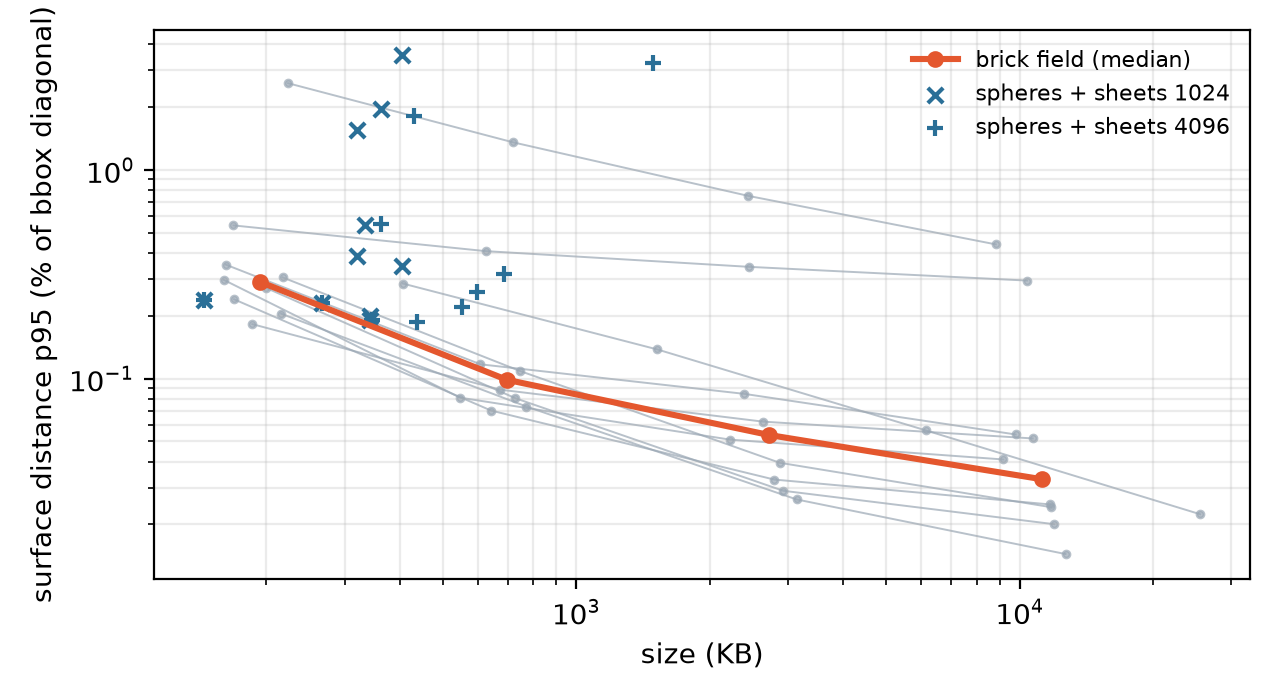
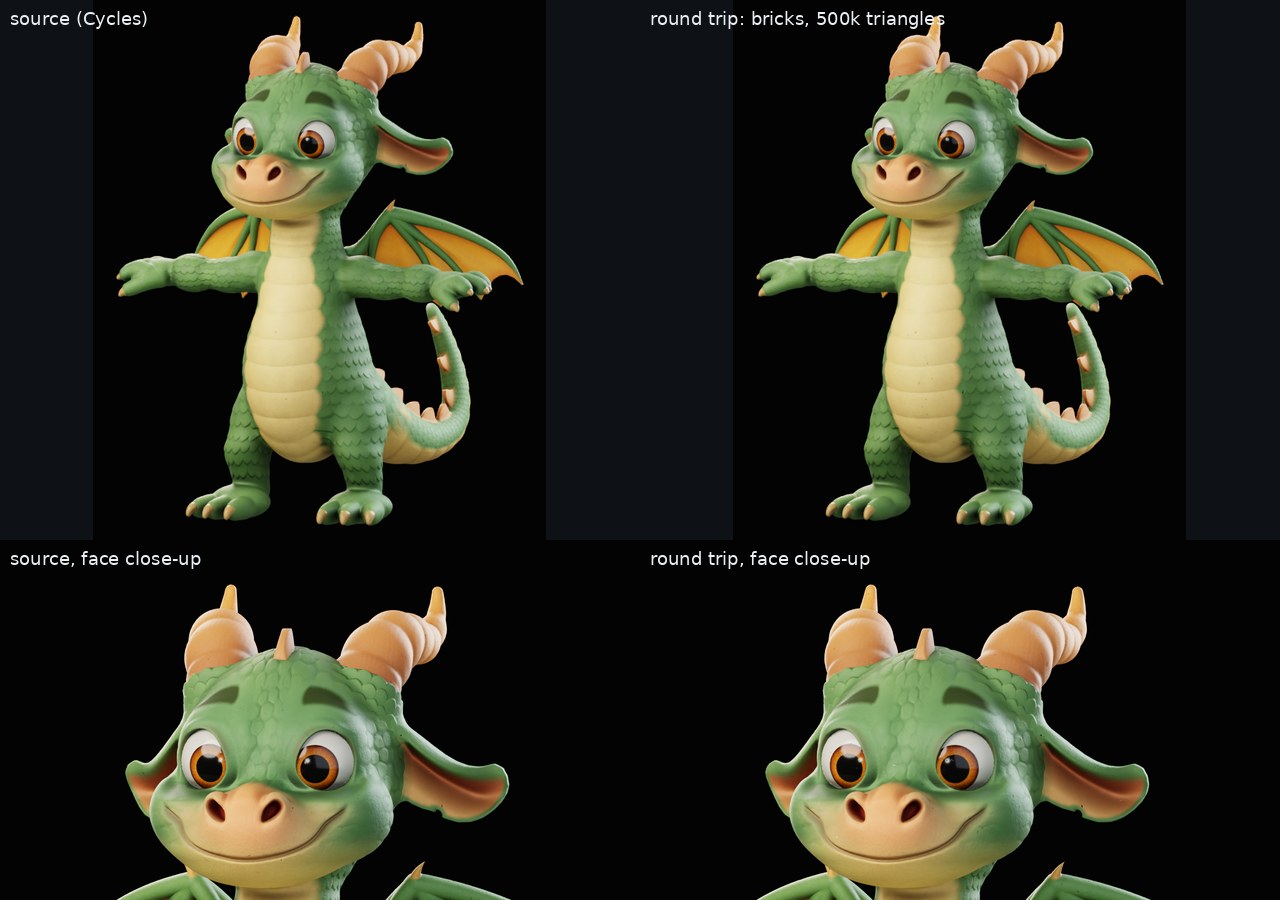
| Field | Size (KB) | Chamfer mean (% diag) | p95 (% diag) | Mean IoU | Build (s) |
|---|
04 / FILM
Seventy seconds, start to finish.
05 / PAPER
SDFSpace: Editing Meshes Through Distance Fields with Coding Agents
Edits are written by gpt-6.1-sol through the codex-infinity harness and reviewed by Claude Sonnet 5.5.